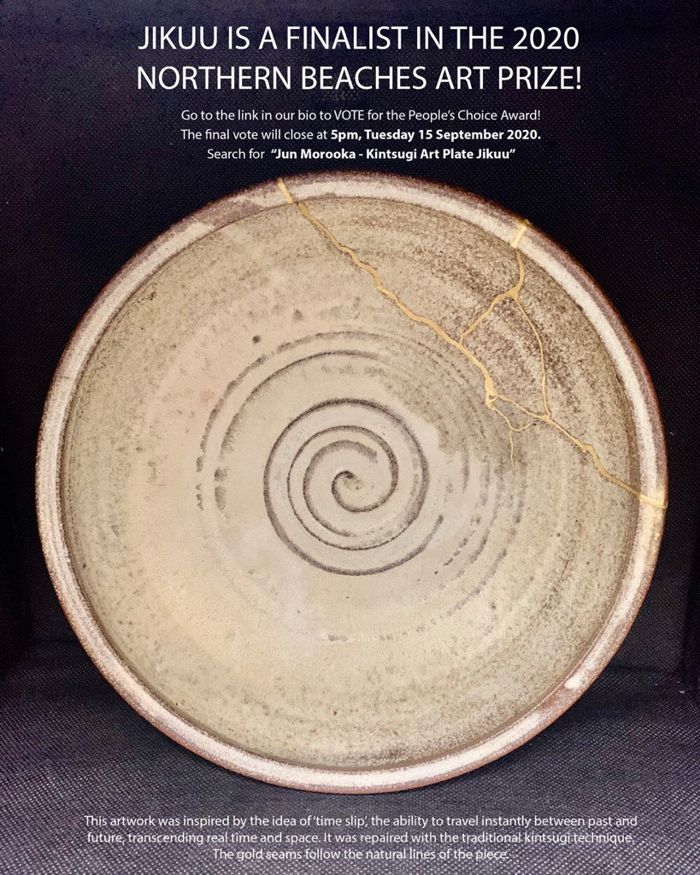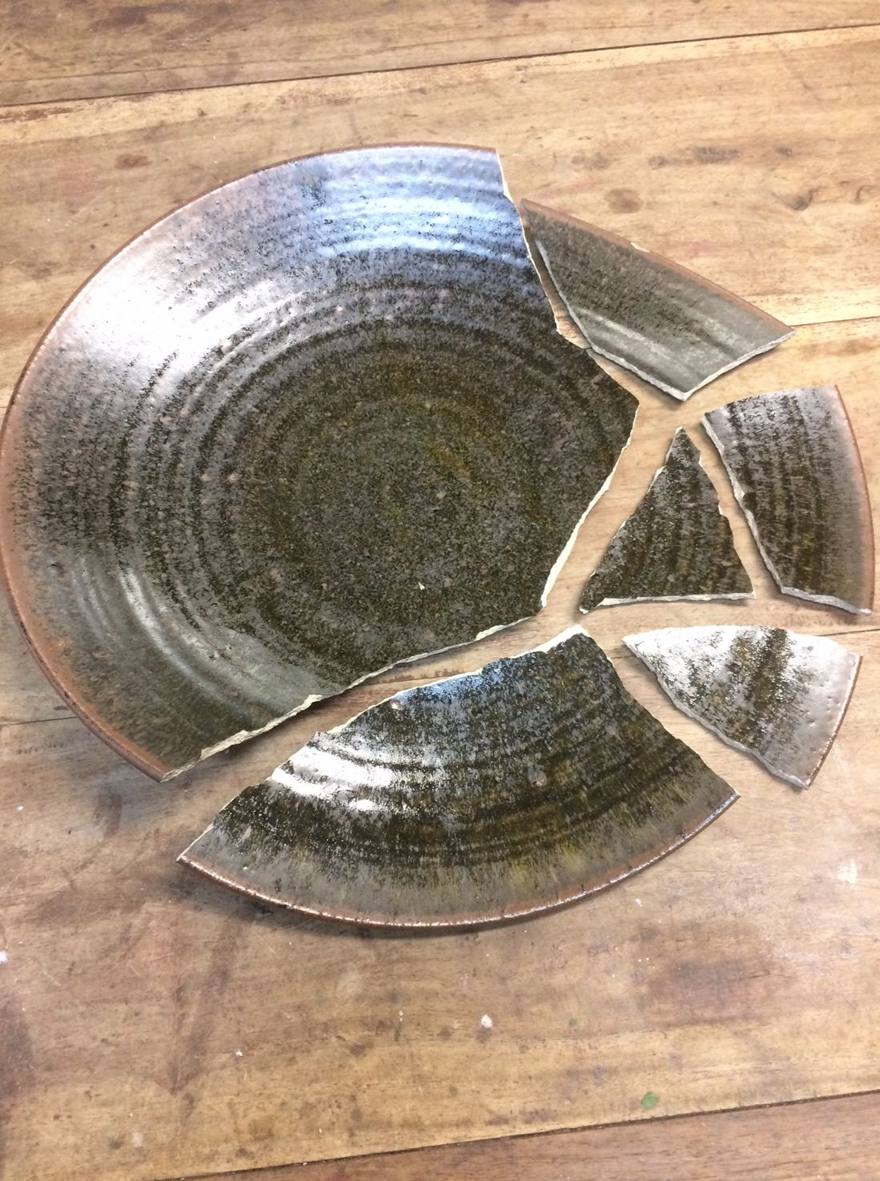
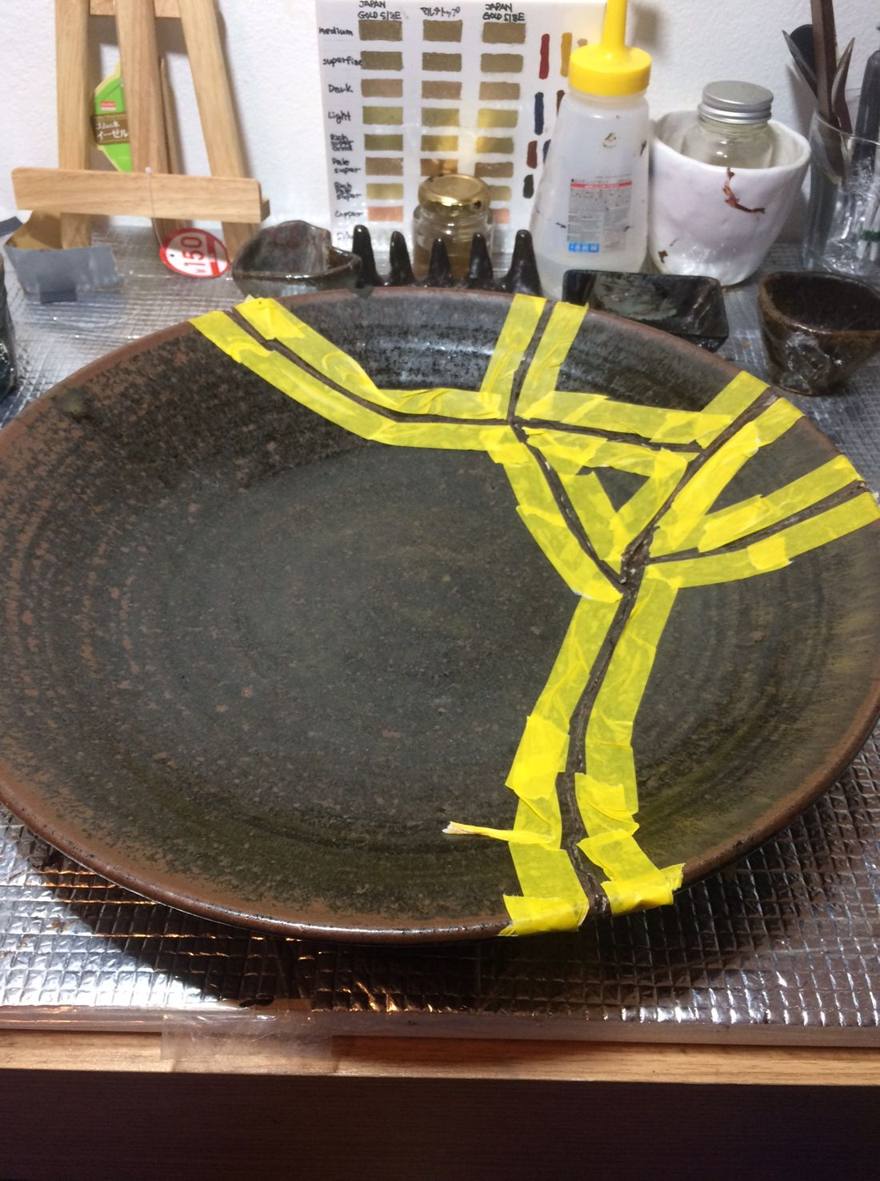
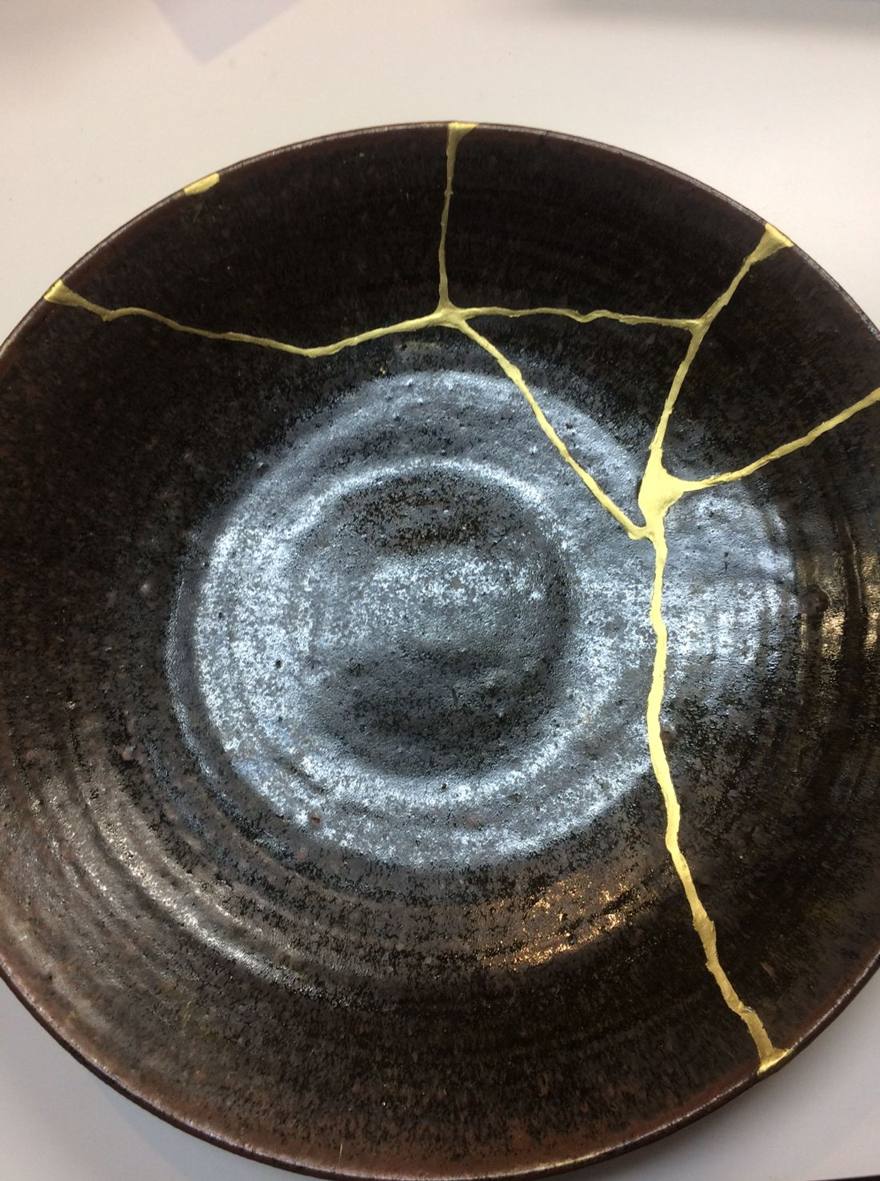
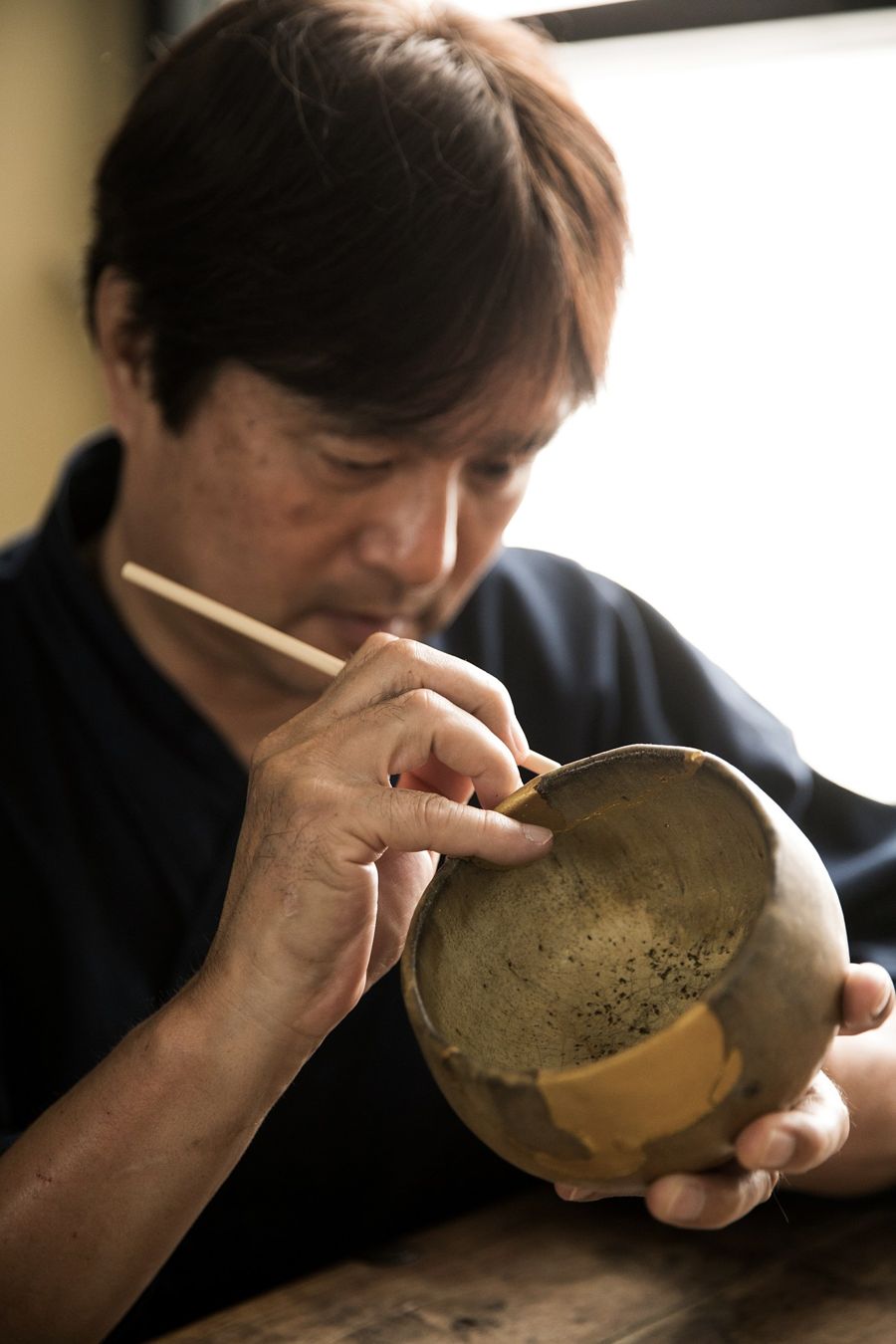
From a restaurant kitchen to the art of gold
An object is sometimes broken. However, this is part of its life, and rather than throw it away it can be repaired and the cracks remain to show its history.
Jun Morooka · founder
Read Jun's full story
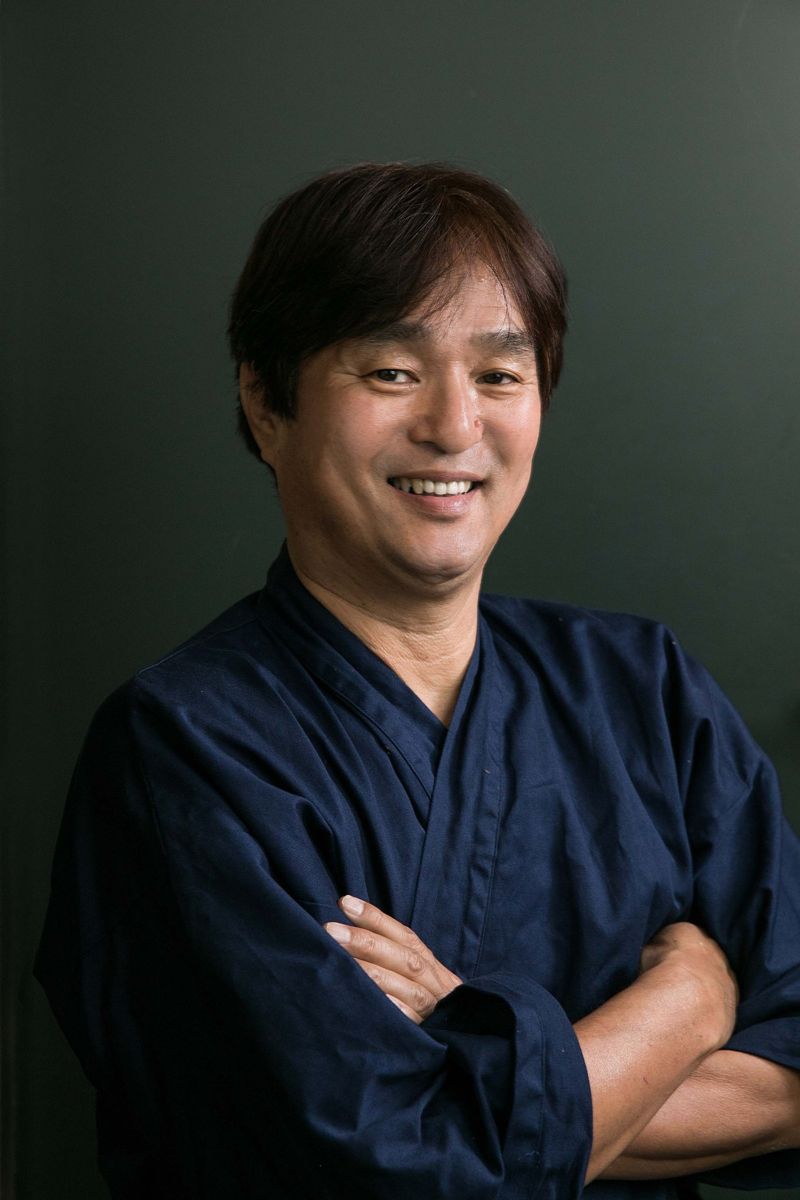
Jun Morooka and Team of Kintsugi Australia
Hitomi, Kumi, Noriko, Miyoko, Masano
☆ Jun is a lecturer at the Sydney Community College Kintsugi workshop.
Kintsugi history · the Muromachi period (1338–1573)
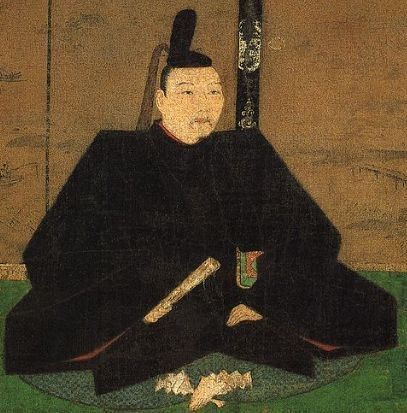
Kintsugi history
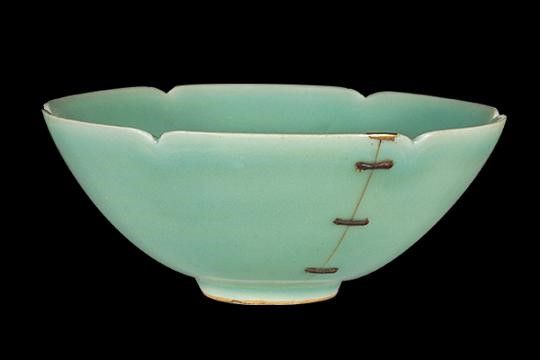
Kintsugi dates back to the Muromachi period, when Yoshimasa Ashikaga, the 8th Shogun of the Ashikaga shogunate, found a crack on his treasured Matcha bowl. He sent it to China to be repaired, but no one had the skill to repair cracked pottery, so the piece came back with a clamp on it.
Yoshimasa was not pleased with the appearance, so he ordered the craftsmen to find a better way to repair cracked pottery. This is said to be the beginning of Kintsugi in Japan. He took barely any responsibilities in politics, but you could say he played an important role in shaping Japanese culture.
Pottery repaired with Kintsugi makes use of many lacquer crafts, one of which is “Makie”, which grew alongside the tea ceremony and its belief in the beauty of imperfection. Many repaired pieces are seen at museums and recognised as treasured antiques and cultural assets.
We were featured on TV